Wood vs. Laminate Cabinets — Which Is Better for Long-Term Value?
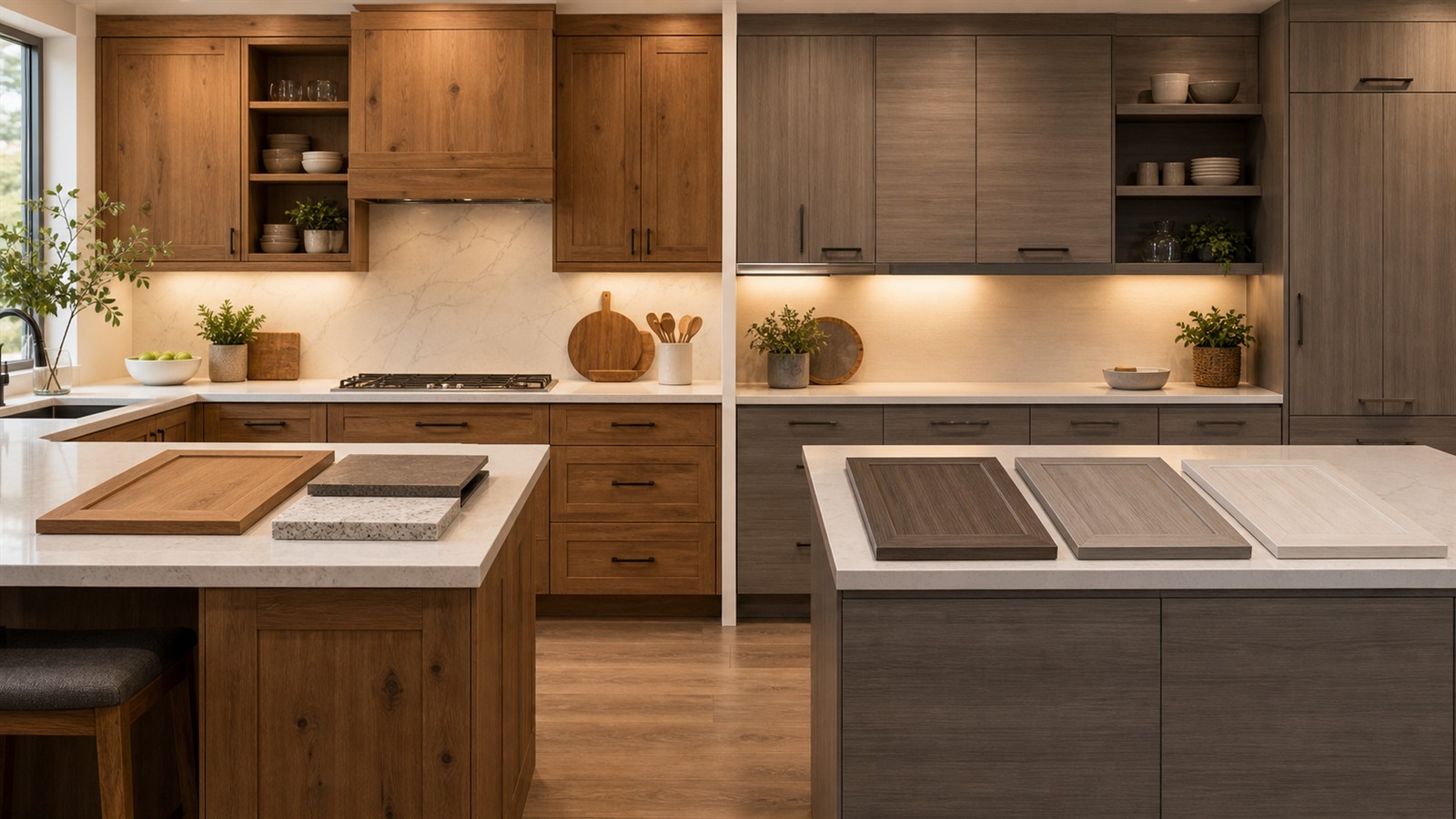
Wood and laminate cabinets can both be smart investments, but they create value in different ways. Wood offers natural depth, repairability, and a long association with quality cabinetry. Laminate offers consistency, strong surface performance, and budget control that can make a remodel more practical. The better long-term choice depends on the cabinet box, finish quality, household habits, design style, and how the kitchen may need to age. Instead of treating wood as automatically premium or laminate as automatically budget, it is better to compare how each material performs over years of real use.
A: Well-built wood often has the longer refresh cycle, but premium laminate can perform very well for many years.
A: Usually, but high-end laminates and custom construction can narrow the gap.
A: They can, especially when the style and finish suit the home.
A: Yes, with quality edging, simple door profiles, and refined colors.
A: Both need protection; laminate surfaces resist splashes, but exposed seams and cores are vulnerable.
A: Yes, especially with flat doors, calm grain, and controlled stain tones.
A: Small issues may be improved, but invisible repair is harder than with wood.
A: Laminate often works well when cost control and easy cleaning matter most.
A: Strong boxes help either material perform better over time.
A: The best choice is the one that fits the home's style, budget, and maintenance expectations.
Start with the Cabinet Box, Not the Door
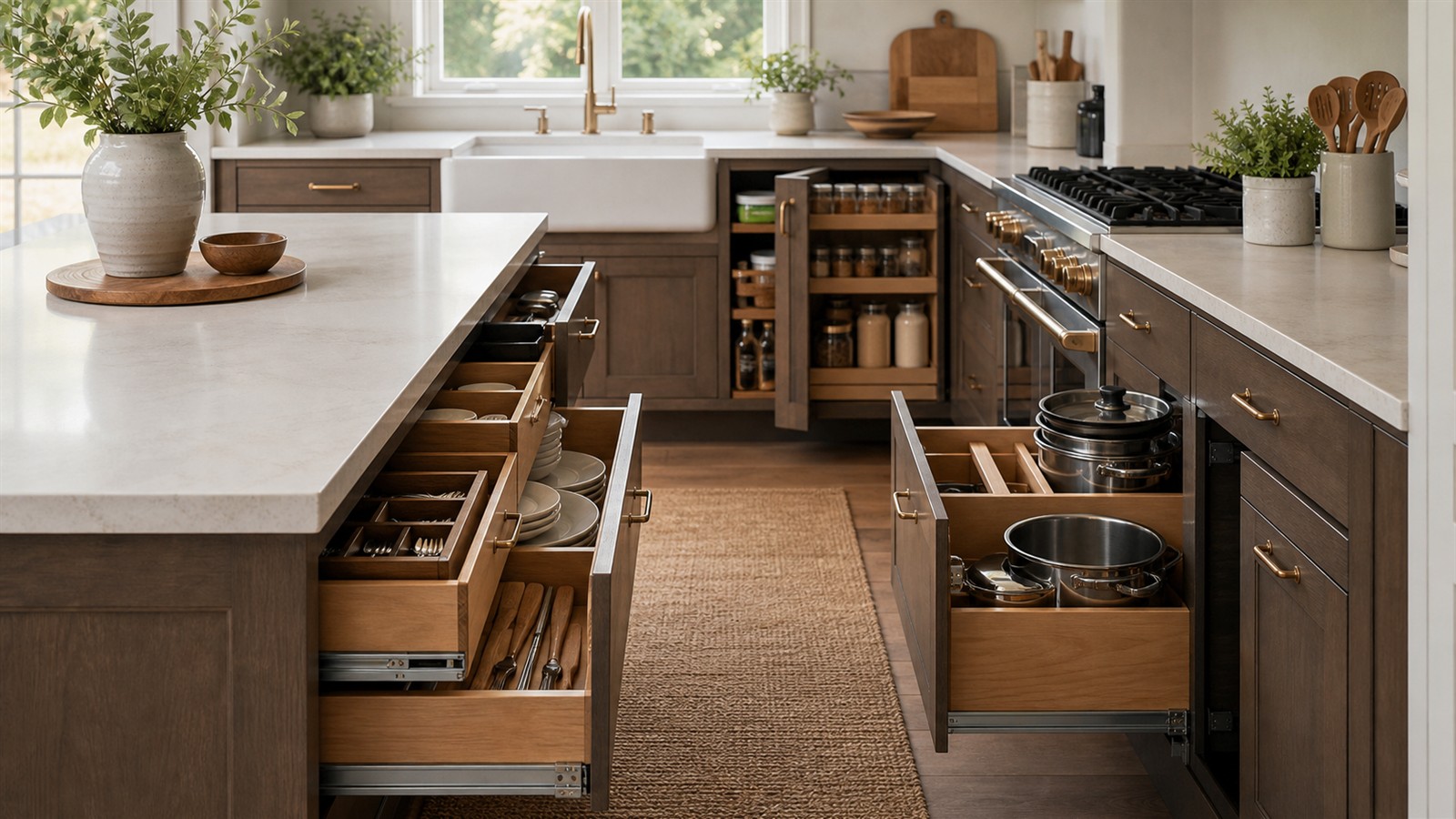
Long-term cabinet value begins behind the visible finish. A strong plywood or high-quality engineered box can outlast a beautiful door attached to weak construction. Drawer glides, hinges, joinery, shelves, and installation quality all decide how the cabinets feel after years of opening and closing. In a kitchen that is used every day, this choice affects more than appearance. It changes how the room ages, how quickly it resets after meals, and how confident the homeowner feels about the investment.
For cabinet value, the practical test is simple: the design should still make sense after years of cooking, cleaning, guests, spills, and changing family needs. A well-chosen kitchen keeps supporting daily life while still looking intentional.
What Wood Does Best
Wood doors bring natural grain, depth, and a sense of permanence. They can be refinished, repaired, and adapted as styles change. In many homes, real wood also carries resale confidence because buyers recognize it as a traditional quality signal. In a kitchen that is used every day, this choice affects more than appearance. It changes how the room ages, how quickly it resets after meals, and how confident the homeowner feels about the investment.
For cabinet value, the practical test is simple: the design should still make sense after years of cooking, cleaning, guests, spills, and changing family needs. A well-chosen kitchen keeps supporting daily life while still looking intentional.
Where Wood Needs Care
Wood responds to moisture, sunlight, and humidity. Poor finishing can lead to swelling, fading, or worn edges. Wood cabinets are valuable when the finish is durable and the household accepts that natural material may change slightly over time. In a kitchen that is used every day, this choice affects more than appearance. It changes how the room ages, how quickly it resets after meals, and how confident the homeowner feels about the investment.
For cabinet value, the practical test is simple: the design should still make sense after years of cooking, cleaning, guests, spills, and changing family needs. A well-chosen kitchen keeps supporting daily life while still looking intentional.
What Laminate Does Best
Laminate cabinets offer consistency, easy cleaning, and strong resistance to many everyday marks. Modern laminates can look refined, especially on slab doors or contemporary kitchens. They are often useful when the budget needs to stretch without sacrificing a clean final look. In a kitchen that is used every day, this choice affects more than appearance. It changes how the room ages, how quickly it resets after meals, and how confident the homeowner feels about the investment.
For cabinet value, the practical test is simple: the design should still make sense after years of cooking, cleaning, guests, spills, and changing family needs. A well-chosen kitchen keeps supporting daily life while still looking intentional.
Where Laminate Can Fall Short
Laminate value depends on edge quality, substrate strength, and installation. Cheap laminate can peel, chip, or look flat. Better laminate systems with durable edging and quality cores perform much more convincingly over time. In a kitchen that is used every day, this choice affects more than appearance. It changes how the room ages, how quickly it resets after meals, and how confident the homeowner feels about the investment.
For cabinet value, the practical test is simple: the design should still make sense after years of cooking, cleaning, guests, spills, and changing family needs. A well-chosen kitchen keeps supporting daily life while still looking intentional.
Compare Repairability
Wood usually wins on repairability because scratches, dents, and finish wear can often be addressed. Laminate is harder to repair invisibly when a face chips or an edge fails. That difference matters in kitchens expected to last through multiple design cycles. In a kitchen that is used every day, this choice affects more than appearance. It changes how the room ages, how quickly it resets after meals, and how confident the homeowner feels about the investment.
For cabinet value, the practical test is simple: the design should still make sense after years of cooking, cleaning, guests, spills, and changing family needs. A well-chosen kitchen keeps supporting daily life while still looking intentional.
Compare Moisture Performance
Laminate surfaces can resist splashes well, but water intrusion at seams or edges can damage the core. Wood can also suffer around sinks and dishwashers if not finished properly. Neither material should be judged without looking at edge protection. In a kitchen that is used every day, this choice affects more than appearance. It changes how the room ages, how quickly it resets after meals, and how confident the homeowner feels about the investment.
For cabinet value, the practical test is simple: the design should still make sense after years of cooking, cleaning, guests, spills, and changing family needs. A well-chosen kitchen keeps supporting daily life while still looking intentional.
Think About Style Longevity
Wood grain can feel timeless when the stain is controlled and the door style is simple. Laminate can feel current and architectural when the color and texture are chosen carefully. Trendy colors or fake-looking patterns shorten the life of either choice. In a kitchen that is used every day, this choice affects more than appearance. It changes how the room ages, how quickly it resets after meals, and how confident the homeowner feels about the investment.
For cabinet value, the practical test is simple: the design should still make sense after years of cooking, cleaning, guests, spills, and changing family needs. A well-chosen kitchen keeps supporting daily life while still looking intentional.
Use Budget as Strategy
Laminate may allow money to move toward better layout, hardware, counters, or lighting. Wood may justify a higher spend when the cabinets are central to the home’s character. Value comes from allocating budget where it will be felt longest. In a kitchen that is used every day, this choice affects more than appearance. It changes how the room ages, how quickly it resets after meals, and how confident the homeowner feels about the investment.
For cabinet value, the practical test is simple: the design should still make sense after years of cooking, cleaning, guests, spills, and changing family needs. A well-chosen kitchen keeps supporting daily life while still looking intentional.
Match the Home’s Architecture
A traditional or historic home may reward wood more strongly. A modern condo, rental, or minimalist kitchen may make laminate feel natural and efficient. The material should belong to the house instead of fighting its language. In a kitchen that is used every day, this choice affects more than appearance. It changes how the room ages, how quickly it resets after meals, and how confident the homeowner feels about the investment.
For cabinet value, the practical test is simple: the design should still make sense after years of cooking, cleaning, guests, spills, and changing family needs. A well-chosen kitchen keeps supporting daily life while still looking intentional.
Consider Resale Without Guessing
Buyers often respond well to wood, but they also respond to kitchens that look clean, durable, and well planned. High-quality laminate can outperform tired wood cabinets that look orange, worn, or poorly configured. In a kitchen that is used every day, this choice affects more than appearance. It changes how the room ages, how quickly it resets after meals, and how confident the homeowner feels about the investment.
For cabinet value, the practical test is simple: the design should still make sense after years of cooking, cleaning, guests, spills, and changing family needs. A well-chosen kitchen keeps supporting daily life while still looking intentional.
Choose by Expected Lifespan
If the goal is a 20-year kitchen that can be refreshed, wood has advantages. If the goal is a sharp, durable, cost-controlled kitchen for the next decade, quality laminate can be excellent. The right answer depends on the timeline. In a kitchen that is used every day, this choice affects more than appearance. It changes how the room ages, how quickly it resets after meals, and how confident the homeowner feels about the investment.
For cabinet value, the practical test is simple: the design should still make sense after years of cooking, cleaning, guests, spills, and changing family needs. A well-chosen kitchen keeps supporting daily life while still looking intentional.
Focus on Touch Points
Handles, edges, drawer fronts, and sink-adjacent doors receive the most wear. These areas reveal whether wood or laminate was specified well. Long-term value is often won or lost at the points people touch every day. In a kitchen that is used every day, this choice affects more than appearance. It changes how the room ages, how quickly it resets after meals, and how confident the homeowner feels about the investment.
For cabinet value, the practical test is simple: the design should still make sense after years of cooking, cleaning, guests, spills, and changing family needs. A well-chosen kitchen keeps supporting daily life while still looking intentional.
Make the Final Decision Practical
The best cabinet investment is the one that fits the household’s maintenance tolerance, design goals, and budget. Wood brings repairable character. Laminate brings controlled performance. Both can be valuable when chosen honestly. In a kitchen that is used every day, this choice affects more than appearance. It changes how the room ages, how quickly it resets after meals, and how confident the homeowner feels about the investment.
For cabinet value, the practical test is simple: the design should still make sense after years of cooking, cleaning, guests, spills, and changing family needs. A well-chosen kitchen keeps supporting daily life while still looking intentional.
Inspect the Installation Details
Long-term value also depends on how the cabinets are installed. Level boxes, consistent reveals, protected toe kicks, aligned panels, and well-adjusted doors can make either wood or laminate feel more expensive. Poor installation makes even premium fronts look temporary. In a kitchen that is used every day, this choice affects more than appearance. It changes how the room ages, how quickly it resets after meals, and how confident the homeowner feels about the investment.
For cabinet value, the practical test is simple: the design should still make sense after years of cooking, cleaning, guests, spills, and changing family needs. A well-chosen kitchen keeps supporting daily life while still looking intentional.
Choose the Finish You Can Maintain
A cabinet finish should match the amount of care the household will give it. Wood may need touch-ups, refinishing, or humidity awareness. Laminate may need edge protection and careful product selection. The better value is the finish that can age without constant frustration. In a kitchen that is used every day, this choice affects more than appearance. It changes how the room ages, how quickly it resets after meals, and how confident the homeowner feels about the investment.
For cabinet value, the practical test is simple: the design should still make sense after years of cooking, cleaning, guests, spills, and changing family needs. A well-chosen kitchen keeps supporting daily life while still looking intentional.